Hotel website design Independent properties, UK wide
Hotel website design.
Made for your guests.
Most independent hotels are better than their websites. The site has to do two jobs at once: make someone want to come, and make booking the obvious next step. We build for both.
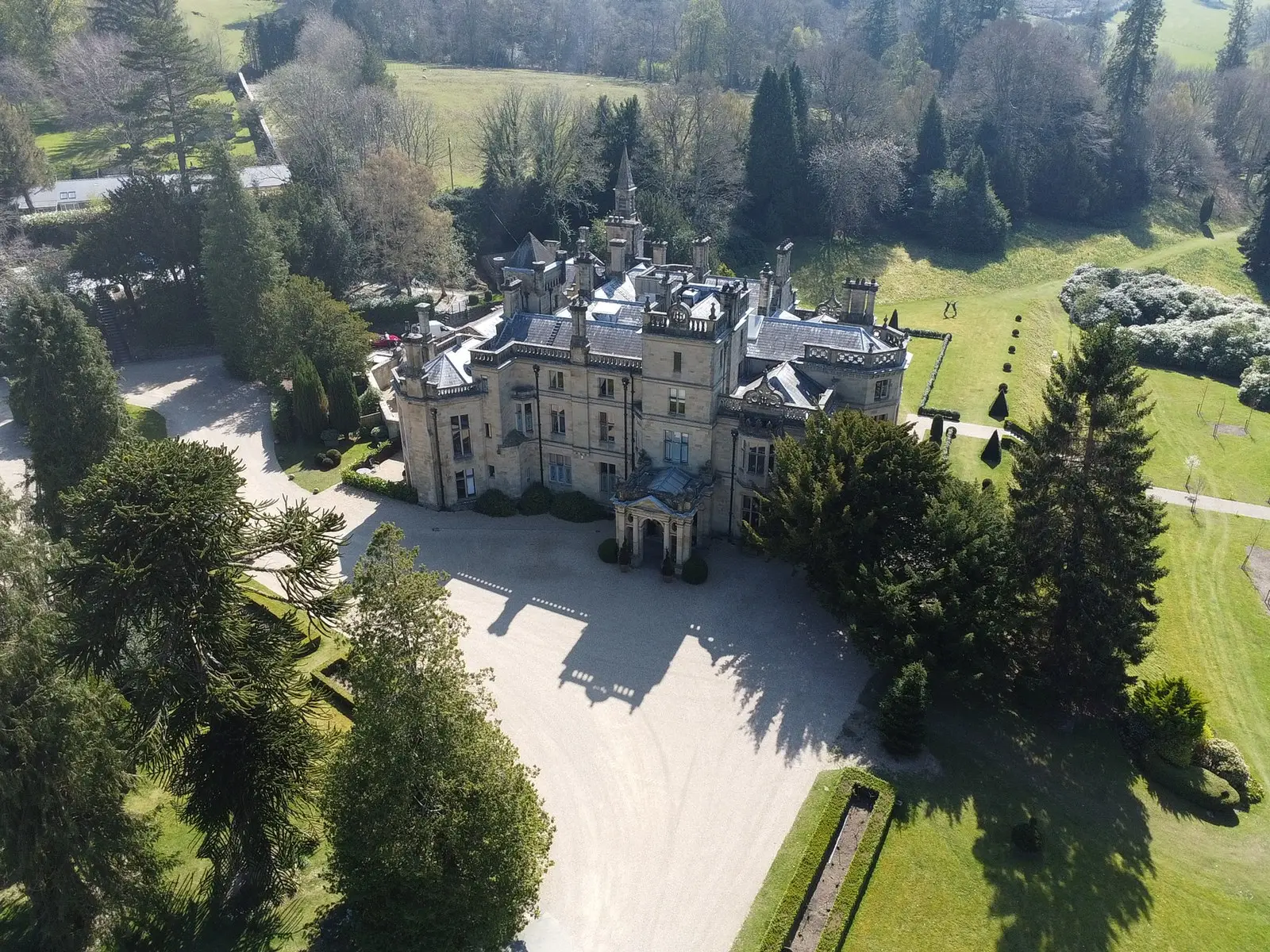
A guest arriving at your website has usually already seen you somewhere else: a platform, a review, a friend's photograph. They are not asking whether hotels exist. They are asking whether this one is right for the particular weekend they have in mind, and whether they can trust it enough to put a card in.
That is a narrow, practical set of questions, and it is remarkable how many hotel websites answer none of them. They open with a slideshow, use six words where one would do, and hide the restaurant opening times three clicks down. Meanwhile the booking button hands the guest to something that looks like a different company entirely.
We build sites that look like the place and behave like a good receptionist: quick, specific, and never making anyone ask twice.
01 Understand the property
The work starts on the floor, not in a design tool.
We spend time with the property, the team and the numbers before anything is designed. Who actually stays, which rooms sell first and why, what reception is asked all day, where the current site loses people, and what the commercial pressure really is. The plan comes out of that rather than out of a template.
- Property and guest research
- Booking-route audit
- Competitor and rate context
- Content and photography plan
- Structure and priorities
02 Design that survives the phone
Most of your bookings are made on a screen the size of a hand.
A design that only works at full width on a good monitor is not a hotel website, it is a portfolio piece. We design the small screen first and let it grow, so the photography still lands, the rooms are still comparable and the booking action never disappears below something decorative.
- Mobile-first interface design
- Room and rate presentation
- Photography direction
- Accessibility to WCAG AA
- Design system and components
03 The booking journey
The handover to the booking engine is where hotels lose people.
The engine is usually fixed by your property management system, so the work is not replacing it. It is removing the moment where the guest feels passed to a stranger: your colours, your typeface, the dates and party size already carried across, and a clear statement of what booking direct includes.
- Booking-engine integration
- Rate and offer structure
- Direct-booking incentives
- Cancellation clarity
- Step-by-step drop-off tracking
04 Something the team can run
If updating a menu needs a developer, it will not get updated.
Menus, rates, events, offers and news change weekly in a working hotel. All of it is editable by whoever is in the office, without training that only one person attended. The site is yours at the end, on hosting you control, with nothing held hostage.
- Editable content throughout
- Team handover and notes
- Performance and search setup
- Analytics and Search Console
- Ongoing support if wanted
How it runs
Eight to fourteen weeks for a single property, longer where there are several outlets or a photography shoot waiting on a season.
-
01
Weeks 1 to 2
Understand the place
Time at the property, the booking numbers, and the questions your team answers every day.
-
02
Weeks 3 to 5
Structure and design
What goes where and why, then the interface, on real content rather than placeholder text.
-
03
Weeks 6 to 11
Build and connect
The site, the content system, the booking journey and the integrations behind it.
-
04
Weeks 12 to 14
Launch and hand over
Testing on real devices, redirects, measurement, and a team that knows how to run it.
Questions we are asked
The ones that come up in the first conversation, answered properly rather than deferred to a proposal.
How much does a hotel website cost?
Our typical project range is £15,000–£40,000. We scope the website, content, photography and booking integrations before quoting; smaller or more complex briefs may sit outside that range.
How long does a hotel website take to build?
Eight to fourteen weeks for a single property. Longer where there are several outlets, a restaurant with its own identity, or a photography shoot that has to wait for the right season.
Do you work with our existing booking engine?
Yes. The booking engine is usually fixed by the property management system, so the work is to make the journey into it feel like part of the hotel rather than a handover to a different company.
Will the site be easy for our team to update?
Yes. Menus, rates, events and offers are editable by the team without a developer. Anything that changes weekly should never require an email to an agency.
A hotel website, from brief to handover
We design and build websites for independent hotels, country houses and inns across the UK. The scope starts with your rooms, dining and other reasons to visit, then follows the guest through to your booking engine. Your team gets a content system for the information they need to keep current.
- Discovery and guest journeys
- Design and mobile development
- Booking engine integration
- Content editing and launch checks
Explore the work
Plan your project
Tell us about the property
Send the venue, the timing and the first constraint that needs to move. We will come back with a view rather than a brochure.
Start a conversation