Websites 29 July 2026, 6 min read
The website a pub with rooms actually needs
A pub with rooms is two businesses sharing one front door. Most of their websites sell the food and whisper about the beds, and the revenue shows it.
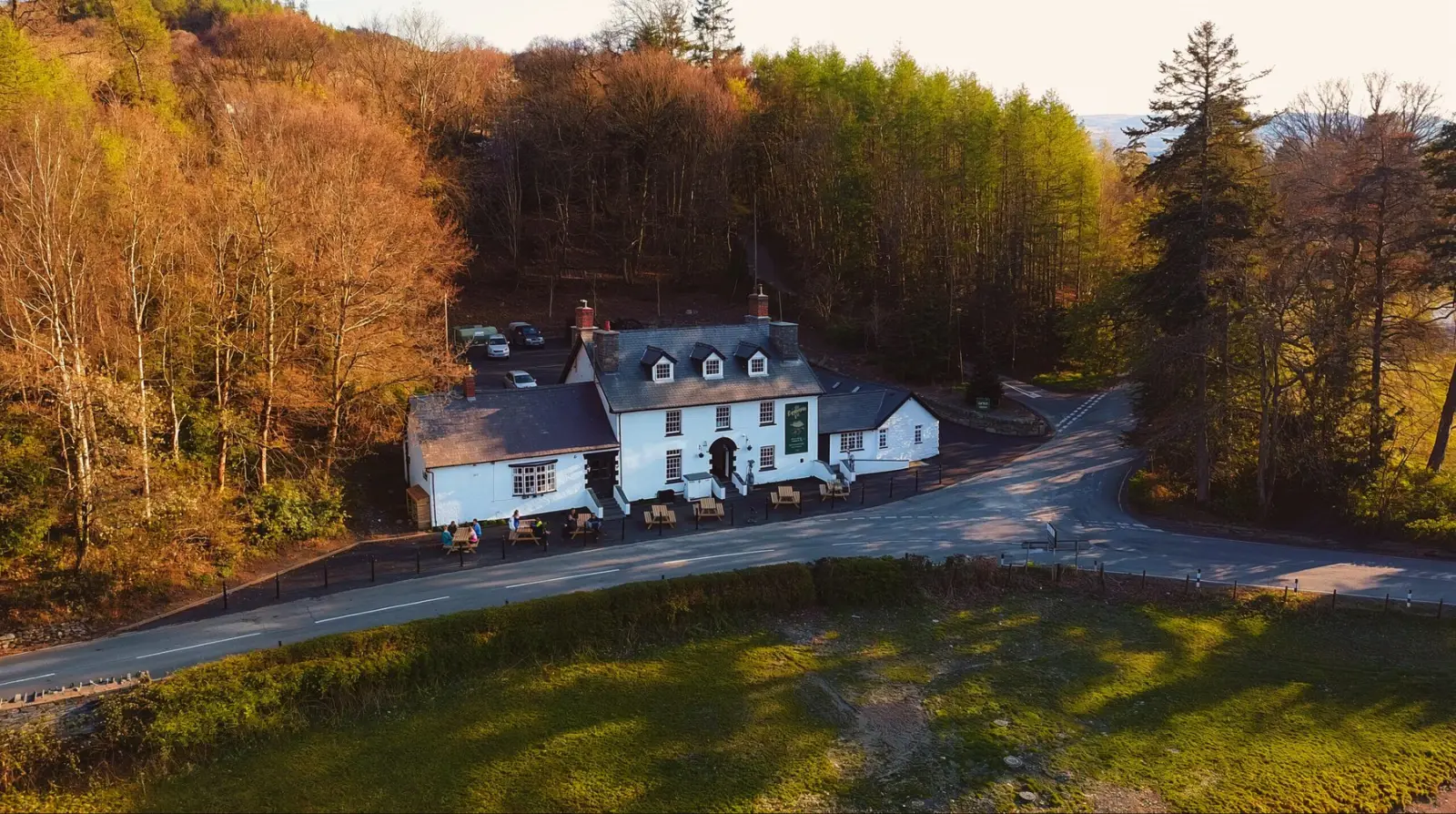
The typical pub with rooms website was built when the rooms were an afterthought. The menu gets a page, the Sunday roast gets the photography, and the rooms live behind a single navigation link with three photographs and a phone number. Meanwhile the rooms are quietly the best margin in the building, and the only part of the business a guest two hundred miles away can buy.
The result is an inn that is full downstairs and half empty upstairs, or one whose rooms fill through the platforms at commission because the website gave people nowhere better to book. Neither is a marketing problem. Both are structural problems with the site.
Two intents, one front door
Visitors arrive with one of two questions. Locals and passing trade want tonight: is the kitchen open, what is on, can we get a table for six. Travellers want next month: is this somewhere worth staying, what does the room look like, what does it cost. A site organised around either question alone fails the other audience completely.
The fix is not two websites. It is a front door that honours both intents within the first screen: eat and drink one way, stay the other, each route leading somewhere genuinely built for it. The homepage of a pub with rooms has one job, and it is triage.
The rooms deserve their own pages
One page titled Rooms, with a paragraph and a strip of thumbnails, cannot compete with an OTA listing, and it certainly cannot justify a rate. Each room wants its own page: a proper set of photographs, the bed size, the bathroom, what you can see from the window, whether the dog can come, and an honest price beside a button that books it.
This is also, quietly, the search strategy. A single rooms page can rank for almost nothing. Six room pages, each specific and well-photographed, give the site real surface area for the searches that matter, and give a hesitating guest the detail that closes the decision. The same logic applies to the platforms: a guest who finds you on Booking.com and checks the website before paying should find more there, not less.
Own the searches nobody else can
An independent inn will not outrank the platforms for hotel plus county, and should not spend money trying. But there is a family of searches where the inn holds every advantage: pub with rooms near the trailhead, dog friendly inn in the valley, where to stay near the wedding venue, food and a bed within walking distance of the distillery.
These searches are answered with pages, not tricks. A page about walking from the door, one about the area in autumn, one for the wedding parties at the venue up the road who need eight rooms every Saturday. Written honestly, by someone who knows the place, these pages rank because almost nobody else bothers to write them, and they are precisely the material the newer AI answer engines quote.
Answer the questions people ring about
Every inn hears the same phone calls: do you do food on Sundays, can we bring the dog, is there parking, can grandma manage the stairs, what time is check-in when the bar shuts early. Each call is a question the website failed to answer, taking staff time during service to fix.
Putting the answers on the site, plainly, where both guests and search engines can read them, does two jobs at once. It frees the team, and it wins the long, specific searches that carry the highest intent. The village inn that plainly states dogs welcome in these three rooms takes the booking from every competitor who left it ambiguous.
Sell the bed and the table together
The single most valuable move a pub with rooms can make online is joining its two businesses at the point of booking. A guest booking a room should be offered the table for that evening in the same journey, because the alternative is a resident who eats elsewhere, which is a small tragedy every time it happens. Where the systems allow it, dinner, bed and breakfast becomes the flagship rate, and it is one the platforms are structurally bad at selling.
Sound like the pub
The strongest asset an inn has online is that it is obviously a real place with real people. The website should sound like the landlord, not like a hotel group's brand team. Name the dog. Say what the regulars drink. Photograph the fire actually lit. Guests choosing an inn over a chain are buying character, and character survives the journey to a screen perfectly well when the website is built to carry it.