Restaurant website design Restaurants, inns and hotel dining
Restaurant website design.
A table starts here.
A table booking is a small decision made quickly, usually on a phone, by someone who is mildly hungry and entirely impatient. The site has about twenty seconds to be useful.
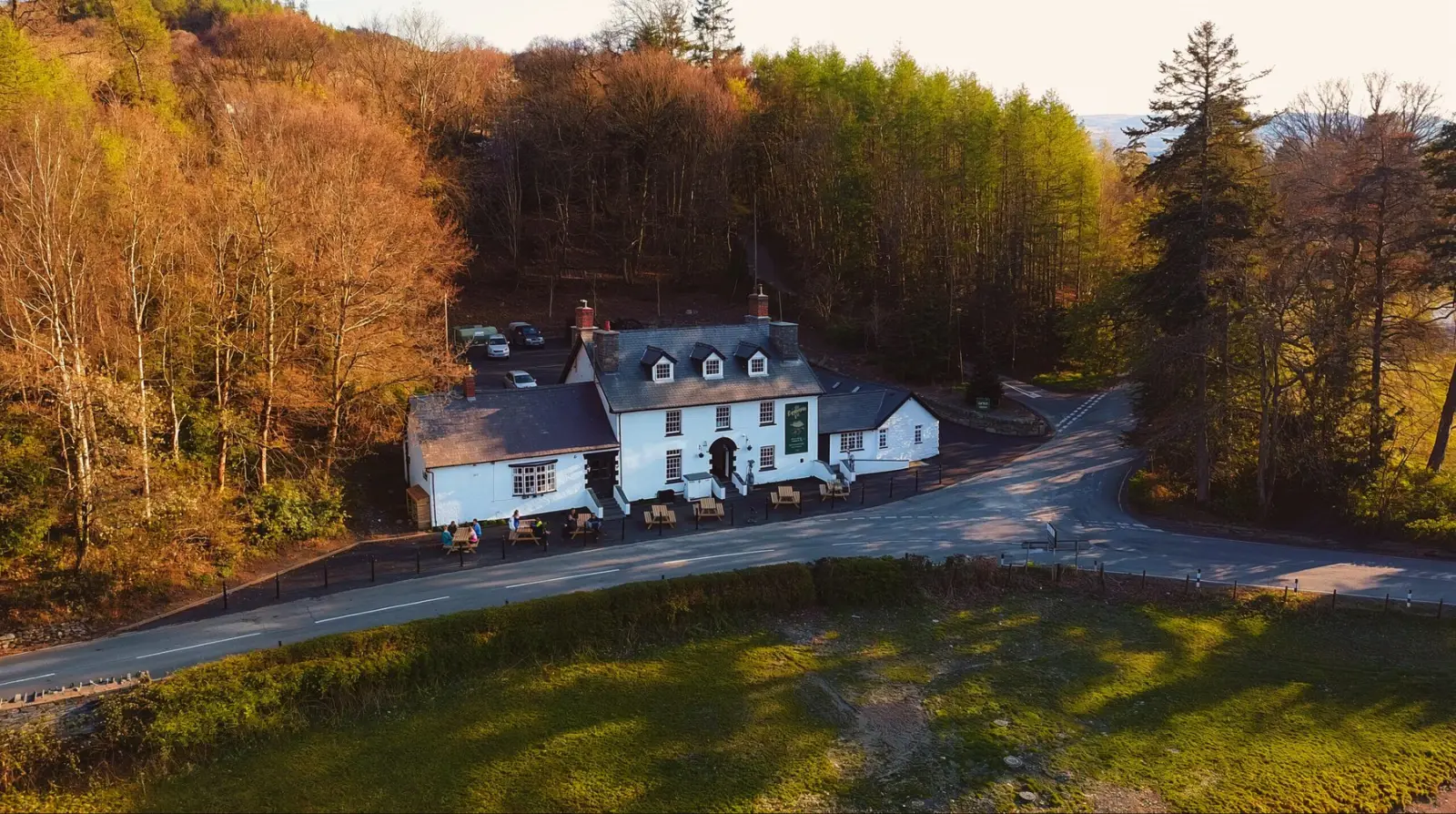
Restaurant websites fail differently from hotel ones. Nobody spends twenty minutes considering a Tuesday dinner. They want to know what the food is like, whether they can get in at half past seven, and whether the dog, the toddler or the vegan can come. If those answers take more than a few seconds to find, they eat somewhere else and you never learn why.
So the work is mostly subtraction. Fewer steps, fewer PDFs, fewer places to get stuck, and the menu treated as the most important page on the site rather than a download.
01 Menus as pages
Your menu should be easy to read and update.
Menus become proper pages: fast on a phone, editable by whoever is in the office, and readable by the search engines and assistants that increasingly answer "where can we eat near here". Seasonal changes take a minute rather than a favour from a designer.
- Menu structure and design
- Dietary and allergen clarity
- Team-editable, no developer
- Seasonal and service variants
- Readable by search and assistants
02 Booking as an action, not a page
The decision is made on the menu, so the booking belongs there.
Booking is present wherever the guest might decide, carries the date and party size they already indicated, and opens in place rather than throwing them into a grey box in a different typeface with no way back to what they were reading.
- Reservation system integration
- Styled to match the restaurant
- Pre-filled date and covers
- Large party and private dining routes
- Drop-off measurement
03 Answer the phone calls in advance
Every question your team answers daily is a booking or a call.
Parking, steps, children, dogs, dress code, gluten free, whether the tasting menu is the only option on a Saturday. Written down plainly, in one findable place. The calls go down and the bookings do not.
- Opening hours that need no interpreting
- Access, parking and arrival
- Dietary and family provision
- Local search and map presence
- Structured data for assistants
04 Fast, because food photography is heavy
The slowest site anyone loads all day is usually a restaurant.
Large photographs are the point, so they have to be handled properly: compressed, served in a modern format, sized so nothing jumps while the page settles. A hero image that takes four seconds on a phone in a car park is a booking someone else takes.
- Image pipeline and compression
- Core Web Vitals in the green
- No layout shift while loading
- Tested on real phones and signal
- Analytics and Search Console setup
How it runs
Six to ten weeks for a single restaurant, and often less where the photography already exists and the menus are settled.
-
01
Weeks 1 to 2
Understand the room
Who eats here and when, what the team gets asked, and where the current site loses people.
-
02
Weeks 3 to 4
Structure and design
Menus first, then everything else, designed on the phone before the desktop.
-
03
Weeks 5 to 8
Build and connect
The site, the editable menus and the reservation journey, made to feel like one thing.
-
04
Weeks 9 to 10
Launch and hand over
Real-device testing, local search, measurement and a team that can change the menu themselves.
Questions we are asked
Usually in the first ten minutes, and usually about the menu.
Should the menu be a PDF?
Use a readable HTML menu as the main experience, with an optional downloadable PDF. Google can index text-based PDFs, but a web page is usually easier to read on a phone, link to and keep current.
Which reservation system should we use?
The one your team will actually keep on top of. The bigger gain is usually in the journey to the booking rather than the system itself, since most losses happen before the guest ever reaches it.
How do we appear when someone searches for restaurants near them?
A complete and current Google Business Profile does most of the work, supported by a website that states the cuisine, the price range, the opening hours and the dietary provision in plain text a machine can read.
A restaurant website your team can keep current
We bring menus, opening hours, location and reservations into one coherent experience. We work with the reservation platform you already use where it fits the brief, and plan the handover so your team can keep seasonal menus, events and practical details up to date.
- Readable menus and dietary information
- Reservation platform integration
- Mobile design and practical guest information
- Editable content and team handover
Explore the work
Plan your project
Tell us about the restaurant
Send the place, the covers you are trying to protect and what is currently getting in the way.
Start a conversation